02/2026: Space Sweepers Get Set to Clean the Orbital Highway – Zoé Tenacci

Tuesday 17th February 2026 from 19:00 for 19:30
Abingdon United Football Club (Northcourt Rd, OX14 1PL, Abingdon)

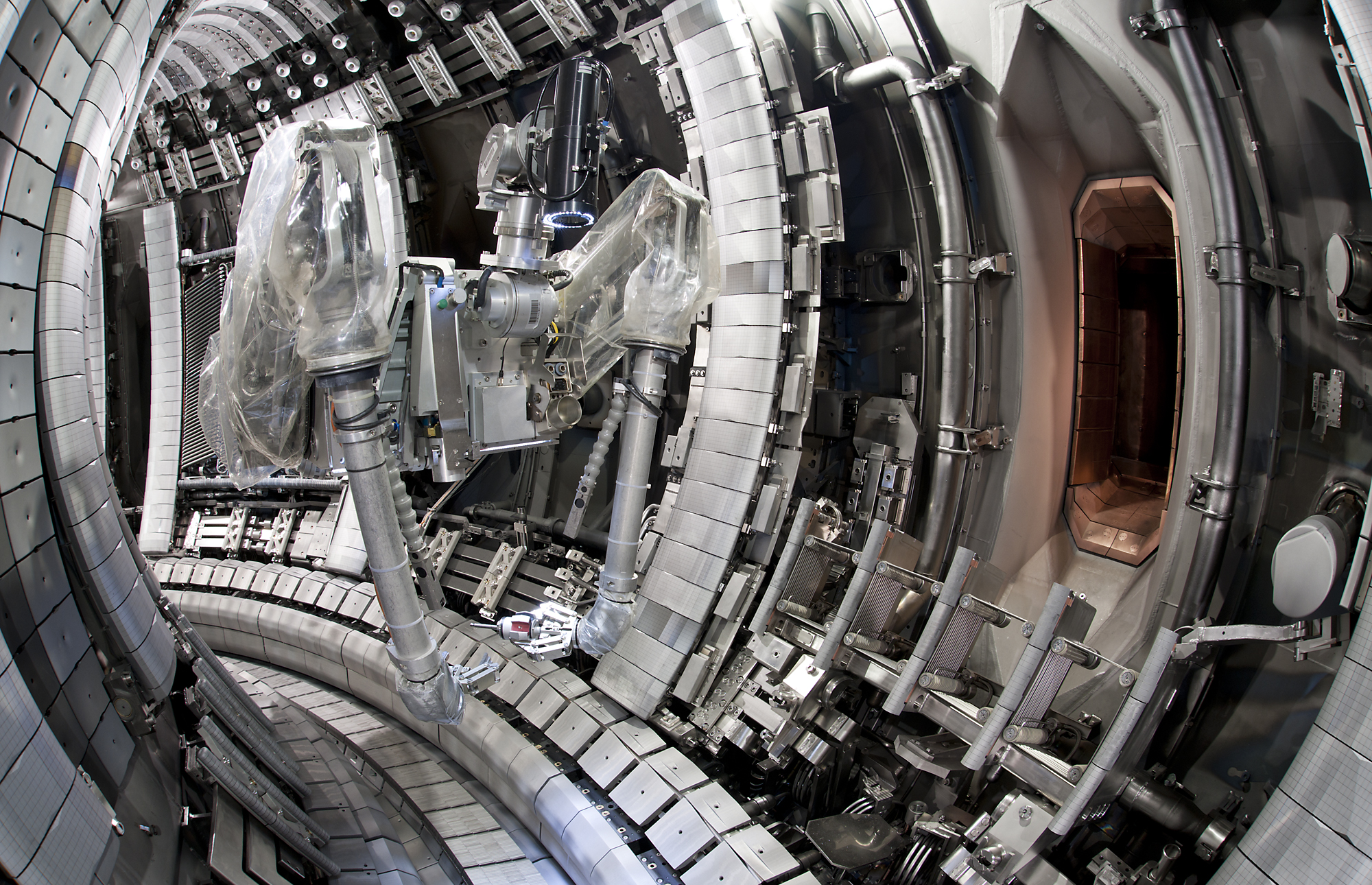
One of the first companies in the world to focus on space sustainability, Astroscale has been working for over a decade on developing technologies to remove space debris and enable a circular economy in space. This talk will present how they go about removing debris from Earth’s orbits and creating a safer and more sustainable space environment, along with the latest technology and mission developments that Astroscale has been flying and working on.

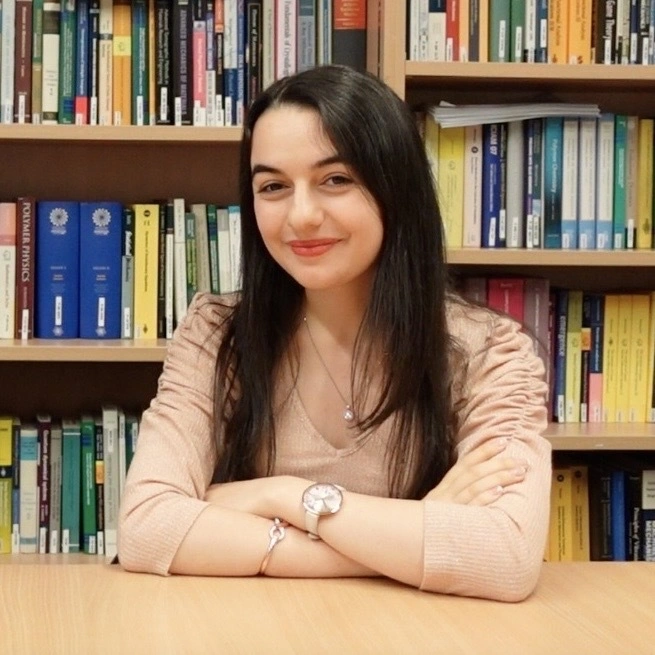
Speaker: Zoe Tenacci

Zoé is a senior engineer at Astroscale, who has been working for the past 5 years on space debris removal missions, developing concept of operations and spacecraft design for rendezvous and proximity operations. She previously worked on Earth observation missions at Airbus.

01/2026: Prions: A Pathogen Unlike Any Other – Caitlin Wright

Tuesday 20th January 2026 from 19:00 for 19:30
Abingdon United Football Club (Northcourt Rd, OX14 1PL, Abingdon)

Computer generated image of a prionMany people remember the bovine spongiform encephalopathy (BSE) epidemic which terrorised the population and decimated the British beef industry in the early 1990s, but few have heard of the causative agent. Prions are a unique pathogen: a transmissible misfolding protein which causes dementia. They are the only infectious pathogen which do not have their own genetic material (unlike viruses and bacteria) and the healthy form of the protein exists naturally in the human body. Although rare, sporadic and genetic forms of prion disease still affect the population today, and a cure has remained elusive. This is due to the many mysteries which still surround the prion protein: where, why, and how do prions start replicating in the brain? This talk will cover the mechanisms of these diseases, work on uncovering the secrets of prion propagation, and why prions are important in the fight against Alzheimer’s and other neurodegenerative diseases.

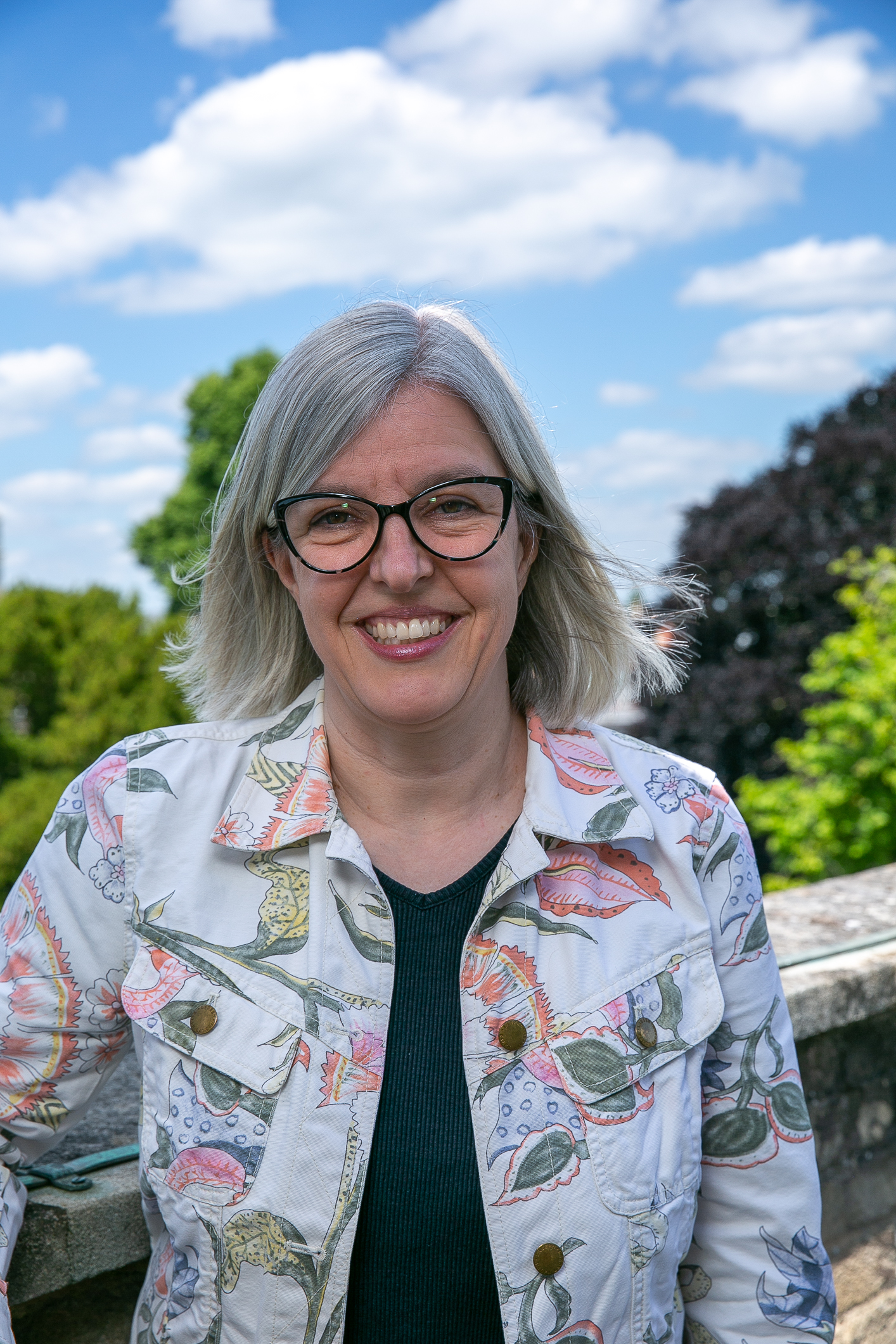
Speaker: Caitlin Wright

Photograph of Caitlin Wright stood next to a noticeboard.Caitlin is currently a doctoral student at the MRC Prion Unit, which is part of University College London. Her interest in science stems back to her teenage years, when she was an ATOM ambassador for her school in Abingdon. After learning about prions around this time, Caitlin followed her interests, leading her to complete her undergraduate master’s degree at the University of Manchester, studying the links between oxidative stress and yeast prions. Caitlin’s work now focuses on finding the cellular cofactors required for propagation of sporadic and variant Creutzfeldt Jakob Disease prions.

11/2025: Magnetic Resonance Imaging – Dr M’hamed Lakrimi

Tuesday 18th November 2025 from 19:00 for 19:30
Abingdon United Football Club (Northcourt Rd, OX14 1PL, Abingdon)

Note: This talk will be preceded by a short AGM.

Magnetic Resonance Imaging (MRI) is the most successful story of applied superconductivity. Innovation continues to drive MRI. Every scanner has at its heart a magnet; the UK played a prominent role. Oxfordshire is the Magnet Valley!

The MRI scanner is one of the most expensive pieces of clinical equipment. Not every hospital has an MRI scanner. Even in developed countries which have scanners, demand exceeds capacity and long waiting lists are prevalent.

This talk will cover key aspects of the MRI magnet, the MRI market and applications, and the future.

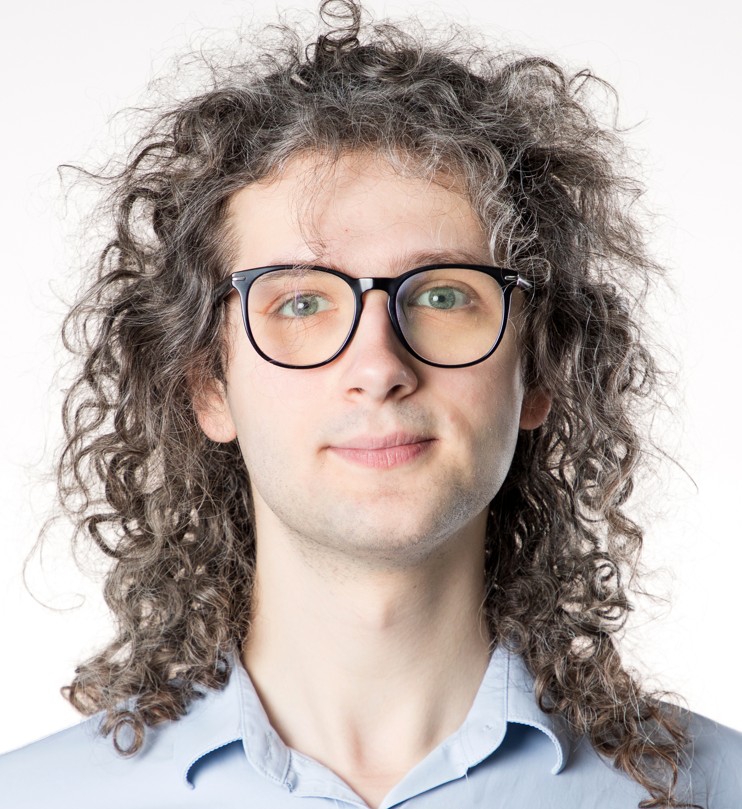
Speaker: Dr M’hamed Lakrimi

Photo of M-hamed Lakrimi taken on the beach with a sunset in the background.Dr Lakrimi has a DPhil in Physics from the University of Sussex in 1988 where he worked on semiconductors at cryogenic temperatures and magnetic fields in collaboration with Philips Research Laboratories in Redhill (UK). He stayed in academia for a good ten years investigating the electrical and optical properties of semiconductors at cryogenic temperatures, hydrostatic pressure, and high magnetic field intensities. After nine years at the Clarendon Laboratory, University of Oxford, he joined Oxford Instruments where he developed new technologies implemented on the world’s first 900 and 950MHz NMR magnets. Since 2006, he has been at Siemens Magnet Technology where he continued to develop new technologies and processes. He has also been designing, assembling, and testing magnets for MRI scanners.

10/2025: Use of Nanobodies in Disease Prevention – Dr. Lauren Eyssen

Tuesday 21st October 2025 from 19:00 for 19:30
Abingdon United Football Club (Northcourt Rd, OX14 1PL, Abingdon)

Antibodies are the body’s first line of defence against intruding pathogens (e.g. viruses and bacteria) and allergens (e.g. pollen and peanuts). An accidental discovery that camelids (and sharks!) have unique antibody structures resulted in the miniaturisation of the antibody to create smaller and more stable versions called nanobodies. At the Rosalind Franklin Institute, we have utilised this peculiarity of camelid antibodies to identify nanobodies which we have used to target and neutralise COVID19. In this talk Dr. Eyssen will take us through how these unique antibodies were discovered, how they go about making these nanobodies and how they use these as tools to fight viruses such as COVID19.

Speaker: Dr. Lauren Eyssen

Dr. Eyssen has a PhD in biochemistry from the University of KwaZulu-Natal in South Africa where she focussed on developing diagnostics for animal African trypanosomiasis by targeting several proteases using both antibodies and single chain variable fragments (scFvs). During her first first postdoc in South Africa, she used scFvs to investigate ways to negate the need for the culture of live, human infective, trypanosomal parasites which are utilised in current diagnostics. In Poland, she undertook her second postdoc investigating the activity of neutrophil proteases in children with neutropenia using activity based probes. Her third and final postdoc was at the Franklin where she focussed on the development of the nanobody discovery platform. Dr. Eyssen is now a scientist at the Franklin currently managing the day to day running of the nanobody discovery platform.

09/2025: Uncovering Oxfordshire’s Dinosaur Highway – Dr. Duncan Murdock

Tuesday 16th September 2025 from 19:00 for 19:30
Abingdon United Football Club (Northcourt Rd, OX14 1PL, Abingdon)

In a stunning find, researchers from the Universities of Oxford and Birmingham uncovered a huge expanse of quarry floor filled with hundreds of different dinosaur footprints, creating multiple enormous trackways. Dating back to the Middle Jurassic Period (around 166 million years ago), the trackways form part of a huge ‘dinosaur highway’ and include footprints from the 9 metre ferocious predator Megalosaurus, and herbivorous dinosaurs up to twice that size.

Speaker: Dr. Duncan Murdock

Dr Murdock is a Collections Manager in Earth Collections at the Oxford University Museum of Natural History. He is responsible for the day-to-day management of the Museum’s mineralogy and petrology collections, and parts of the invertebrate palaeontology collections. He also have a significant role in developing new exhibitions and displays from temporary exhibitions.