
James introduces our speaker, Dr Aisha Y Malik, who will talk about therapeutic cloning. https://t.co/kUEcKq5wjd
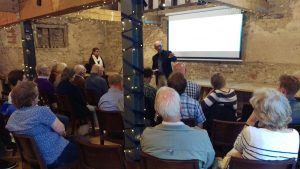
James introduces our speaker, Dr Aisha Y Malik, who will talk about therapeutic cloning. https://t.co/kUEcKq5wjd
Talk and Discussion: The Ethics of Human Therapeutic Cloning, Thu June 23, atomsociety.org.uk/?p=428
Barn Room, Crown and Thistle (18 Bridge St, Abingdon OX14 3HS)
Many animals display creative problem solving abilities beyond those we can currently program in the most advanced current autonomous robots. This means that we don’t really understand how they do it, or how their minds work.
As a biologist and comparative cognitivist, Alex tests the limits of animal cognitive capabilities and will present examples of problem solving performance by crows, parrots and ducks and illustrate them with video clips.
Barn Room, Crown and Thistle (18 Bridge St, Abingdon OX14 3HS)
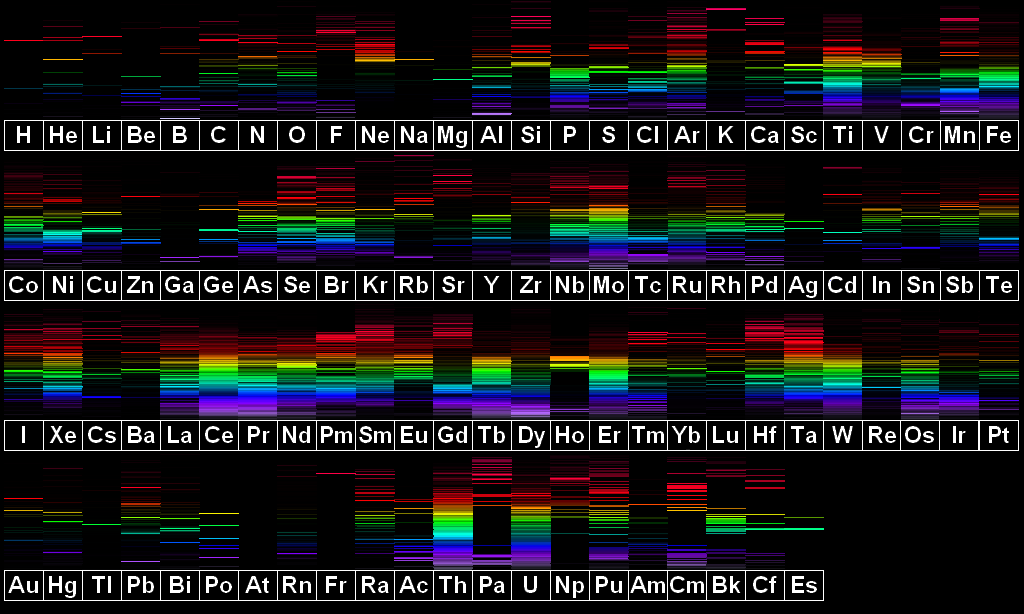
Each type of atom is different, it has its unique pattern of light that it can absorb or emit. This fingerprint allows us not only to study distant star or search for lif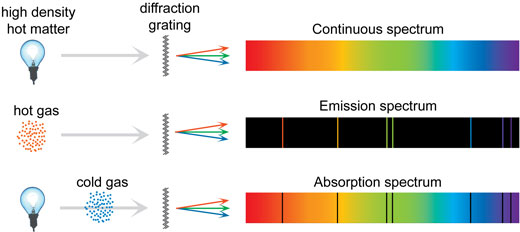 e on other planets, it even allows us to calculate the age of the universe itself. The talk will give an introduction to the understanding of light and how it is related to the structure of atoms and explores with practical demonstration how these measurements can be made. For example, during the talk audience members will be asked to identify a series of unknown gases with simple spectrometers.
 Sian Tedaldi studied Physics at the University of Liverpool. She is not only a member of the Atom Society Committee, but more importantly the Outreach Officer at the physics department of the University of Oxford. She is in charge of sharing the exciting research of the Department with the general public and working with schools to inspire the next generation of scientist.
Barn Room, Crown and Thistle (18 Bridge St, Abingdon OX14 3HS)
Human Therapeutic Cloning (HTC) is a promising procedure for producing human transplants that are immunologically compatible. The procedure involves the creation of embryonic stem cells.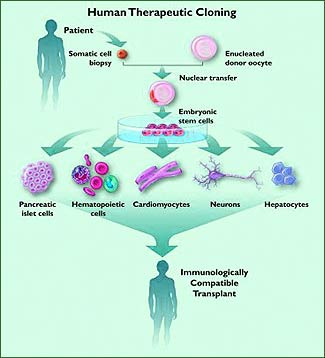
Consequently, as well the promise of HTC for effective medical treatment there are serious ethical concerns: Is it right to create embryos for the purpose of harvesting stem cells and where does the doctor’s duty lie? How do we choose between alleviating suffering and avoiding ‘doing harm’ to a human embryo?
Aisha Malik, bioethics tutor at the Department of Continuing Education at the University of Oxford, will introduce the procedure and the issues it raises and will open up the discussion with the help of some case scenarios.